Comparisons · 3 min read

Interior vs Exterior Basement Waterproofing in West Valley City

Comparing interior and exterior basement water removal approaches for West Valley City, UT homes, looking at cost, durability, and local soil conditions. Water Damage Restoration in West Valley City, UT is a very important service for homeowners who deal with heavy moisture and shifting ground. First Shield Restoration Inc works with many properties across West Valley City to handle basement water issues. When water enters a basement, property owners must choose between interior and exterior basement water removal approaches. Each method handles basement water removal differently, and understanding the differences helps homeowners make the right choice for their specific house. Local soil conditions in West Valley City, UT play a big role in how water moves around a foundation, which directly affects whether an interior or exterior approach is better. Interior basement water removal focuses on managing water after it has already entered the basement. This approach usually involves installing a sub-floor drainage system, a sump pump, and a vapor barrier along the foundation walls. First Shield Restoration Inc often recommends interior basement water removal for homes in West Valley City, UT because it is generally less disruptive to landscaping and costs less than digging up the outside of the foundation. The interior method does not stop water from entering the concrete walls, but it catches the water and safely pumps it away from the home. For West Valley City, UT homes built on heavy clay soils, interior basement water removal provides a reliable way to keep living spaces dry without disturbing the exterior ground. Exterior basement water removal focuses on stopping water before it ever touches or enters the foundation walls. This approach requires excavating the soil around the entire perimeter of the house, applying waterproof coatings or membranes to the exterior foundation, and installing exterior drain tiles or French drains. First Shield Restoration Inc completes exterior basement water removal to protect the structural integrity of the foundation over a very long time. While exterior basement water removal requires a larger upfront investment and disrupts patios, bushes, and walkways, it provides superior protection against long-term concrete degradation. In West Valley City, UT, where seasonal snowmelt and spring rains saturate the ground, exterior basement water removal prevents hydrostatic pressure from building up against foundation walls. Cost is a major factor when comparing interior and exterior basement water removal approaches for West Valley City, UT properties. Interior basement water removal is much more affordable because it does not involve heavy excavation machinery or extensive landscaping repairs. Homeowners usually save thousands of dollars choosing the interior route. Exterior basement water removal costs significantly more because of the labor involved in digging trenches around the entire perimeter of the house. First Shield Restoration Inc explains these costs clearly to every customer so they can balance their budget with their long-term property goals in West Valley City, UT. Durability and long-term performance also differ between the two methods. Interior basement water removal systems require ongoing maintenance, especially for mechanical components like sump pumps, which need periodic testing and eventual replacement after 7 to 10 years. Exterior basement water removal systems can last for 20 to 30 years or more without major maintenance because they address the root cause of the moisture by keeping water away from the concrete. First Shield Restoration Inc evaluates the age and condition of the foundation to determine which approach will last longer for homes in West Valley City, UT. Local soil conditions in West Valley City, UT heavily influence which basement water removal method will succeed. The local earth often contains high amounts of clay, which expands when wet and puts immense pressure on foundation walls. When West Valley City, UT experiences rapid temperature changes or heavy precipitation, water movement through the soil accelerates. First Shield Restoration Inc considers these specific regional factors before starting any Basement Water Damage Restoration project. A well-executed Basement Water Damage Restoration plan protects the home and preserves property value. First Shield Restoration Inc provides Basement Water Damage Restoration services for homes in West Valley City, UT.

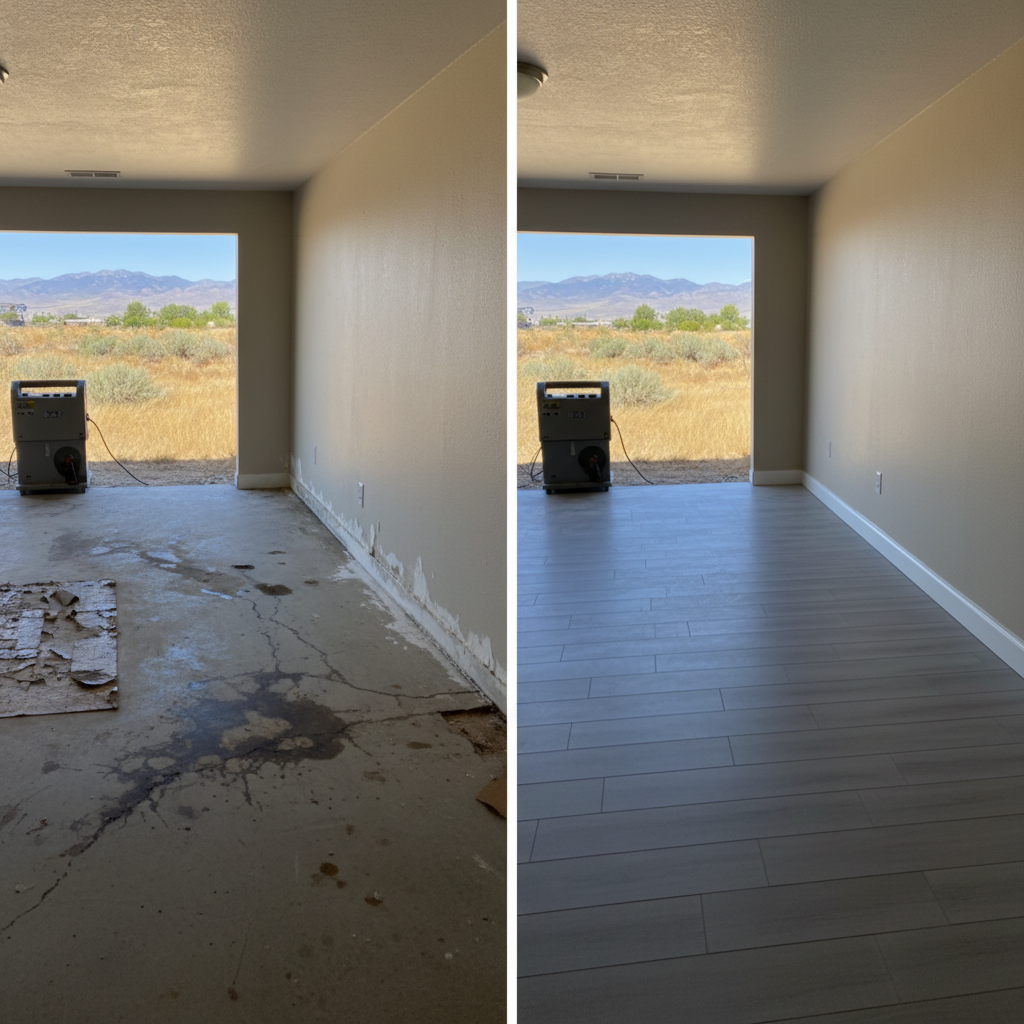
← Back to Blog Completed basement water removal work at a residential property in West Valley City, UT

Ever walked down to your basement after a heavy spring storm and found a puddle spreading across the floor? If you live around here, you have probably dealt with it more than once. The mix of heavy seasonal moisture and the dense native soils we have across the Salt Lake Valley creates a ton of hydrostatic pressure against our foundations. That water wants inside, and if you do not stop it, it will find every tiny crack.

When homeowners start looking into fixing a leaking basement, they usually run into two main choices: interior water management systems or exterior waterproofing. They are completely different approaches to solving the same headache. Let us break down how they actually stack up against each other when you look at cost, maintenance, and durability.

The Interior Approach: Drainage Channels and Sump Pumps

Interior waterproofing does not actually stop water from hitting your foundation walls. Instead, it manages the water once it gets inside. Typically, a contractor will break up a perimeter trench in your basement floor, install a sub-floor drainage pipe, tie it into a sump pump, and put up a vapor barrier along the wall.

The biggest perk here is the price tag and the ease of installation. You do not have to excavate your entire yard, which means your landscaping, driveway, and porch stay intact. It is usually much cheaper upfront. At First Shield Restoration Inc, we see a lot of people in older mid-century neighborhoods opt for this route because it targets the water quickly and gets it out of the house before it ruins finished drywall or flooring.

On the downside, your foundation walls still get wet. Water is actively moving through the concrete or cinder block, which can lead to mineral deposits, dampness, and ongoing wear on the structural materials. You also have to maintain the sump pump. If the power cuts out during a severe storm or the mechanical parts fail, you are back to square one unless you have a reliable battery backup.

The Exterior Approach: Membranes and Excavation

Exterior waterproofing is the heavy-duty option. Crews have to dig down the outside of your foundation all the way to the footing. Once the wall is exposed, they clean it, seal any cracks, apply a heavy waterproofing membrane, and install exterior drain tile connected to a gravity discharge or sump system.

This method stops water at the absolute source. It keeps moisture from ever entering your foundation walls, which preserves the structural integrity of your concrete over decades. You will not have to worry about damp wall cavities or interior humidity spikes as much. Appearance-wise, once the dirt is filled back in, your basement interior remains totally untouched.

The catch? It is invasive and expensive. Digging up trenches around a house in West Valley City means tearing up mature flower beds, concrete patios, or decks. It takes days of heavy machinery work and costs significantly more than an interior setup.

Making the Call for Utah Homes

So, which one makes the most sense for our local conditions? Given the expansive clay soils and the freeze-thaw cycles we get every year, keeping water away from the structure entirely is technically ideal. But reality often comes down to budget and property layout.

If you are dealing with a finished basement where tearing up walls is not practical, an interior drainage system paired with a solid sump pump is usually the most logical path forward. If you are planning major landscaping overhauls or dealing with severe structural saturation from poor surface grading, spending the money on exterior excavation can save you deeper structural headaches down the road. Weigh your long-term plans for the house, check your foundation type, and pick the system that protects your home when the next big storm rolls down the canyon.

Ready to Get Started in West Valley City?

Contact First Shield Restoration Inc today for a free, no-obligation estimate on your project.

Get Your Free Quote